Service focus
Board Game Development
This page is for founders, inventors, studios, educators and indie publishers who want expert board game development support. Whether you are starting with a mechanic, a sketchbook full of ideas, a rough prototype, a finished ruleset or a product already on the way to print, we help you make better decisions at every stage.
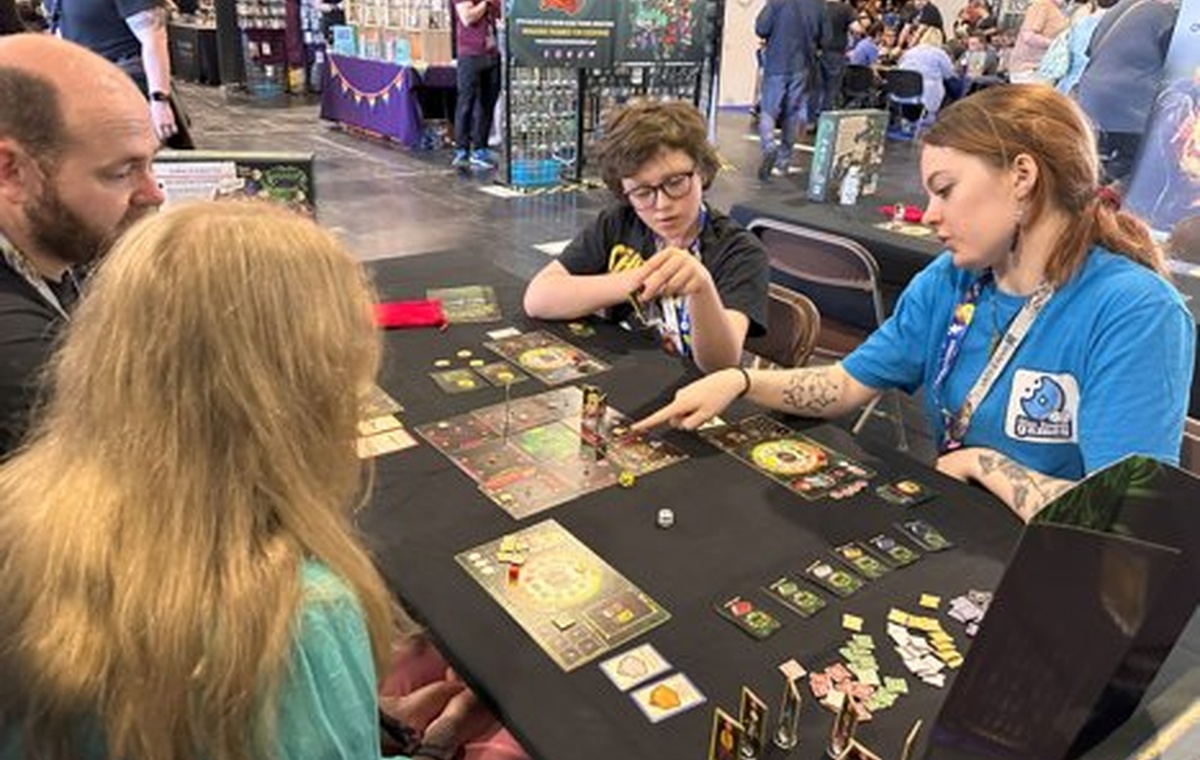
Blue Donut Studios and Blue Donut Games have real hands-on experience developing tabletop products across board games, strategy card games and hybrid physical concepts. That includes concept development, rules refinement, playtesting, print production, component planning, manufacturer liaison, sales support and distribution thinking. We know the reality behind making games playable and commercially viable.
We can help with new ideas, product reviews, production readiness, manufacturing troubleshooting, distributor preparation and the wider route to market. We also use this process to help makers understand how GameCrowd can support them over the longer term with manufacturing, sales and funding pathways.
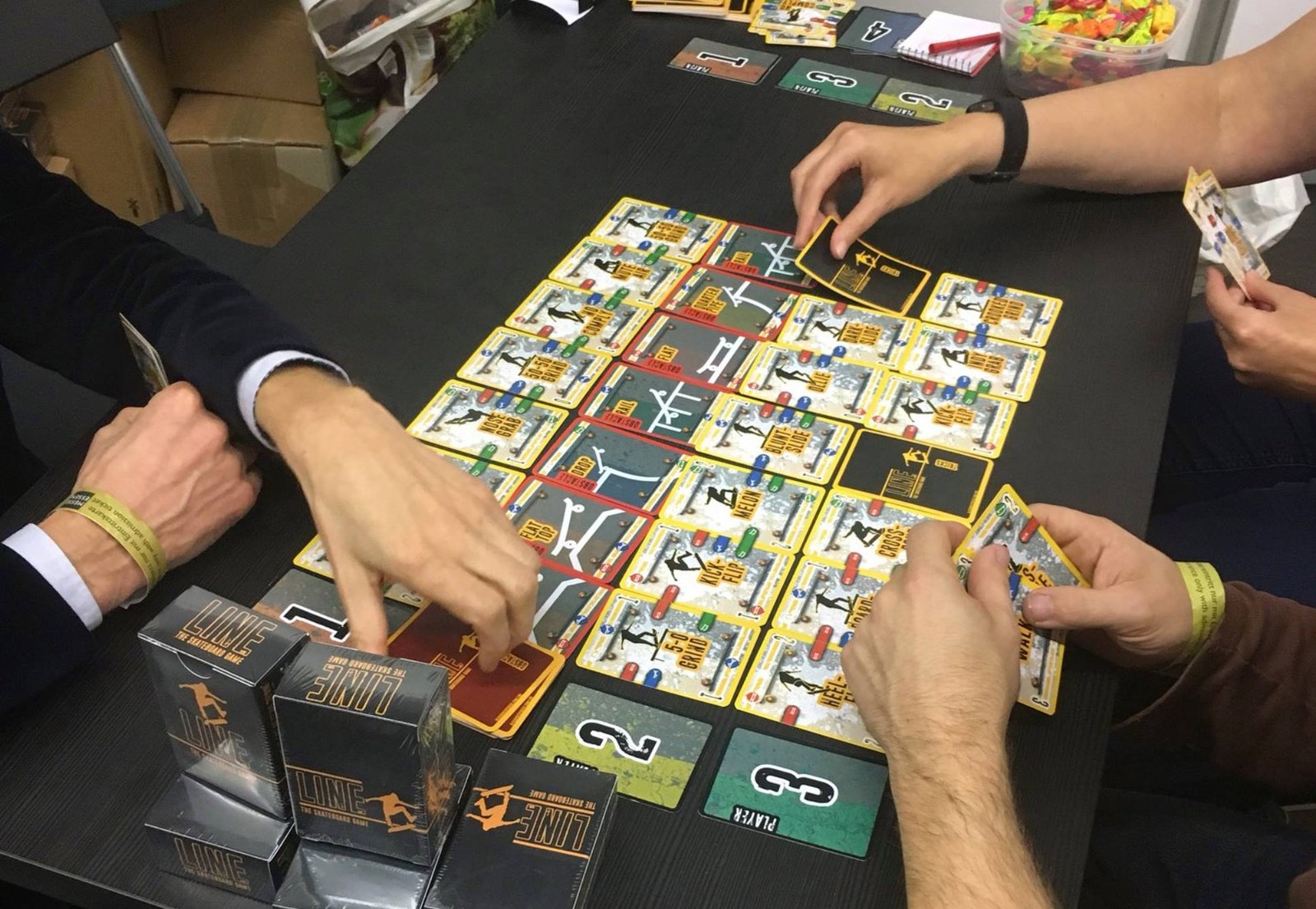
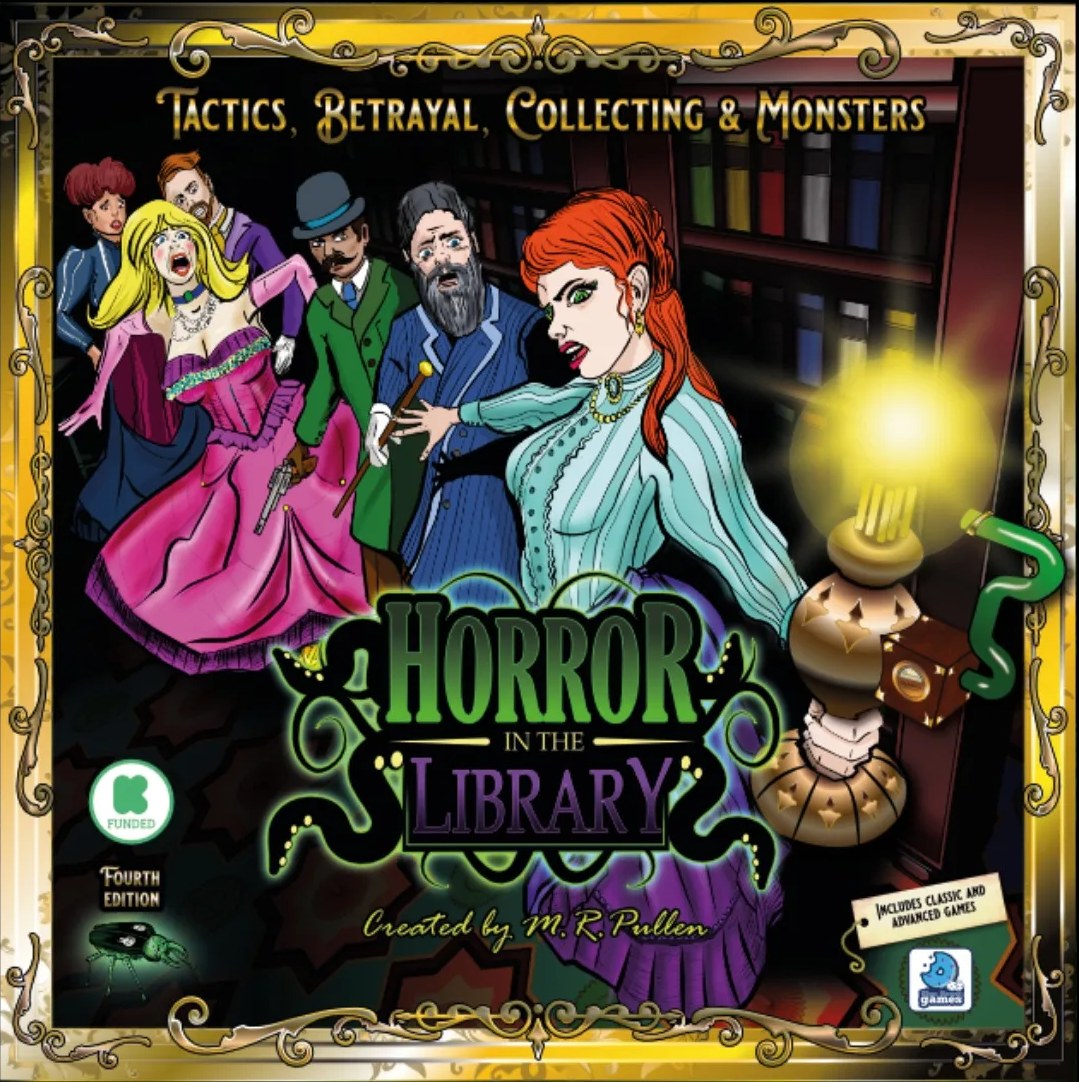
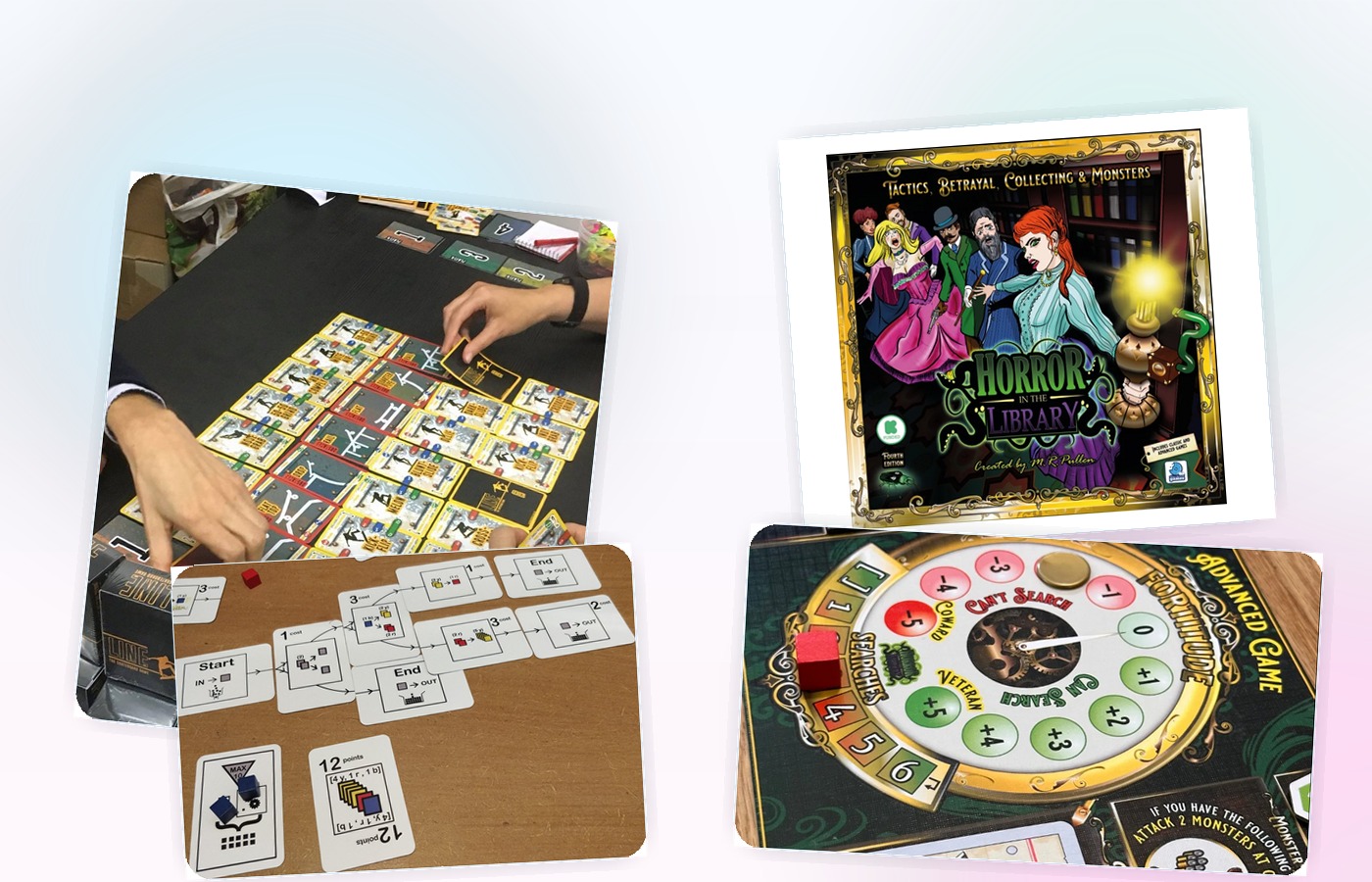
Examples of the kind of work we understand
Mechanics, interaction and playtesting
Strong tabletop design starts with the player experience. We help review core loops, decision-making, balancing, turn structure, pacing, clarity and game feel, then support better testing so you can learn what works before you over-invest in final production.
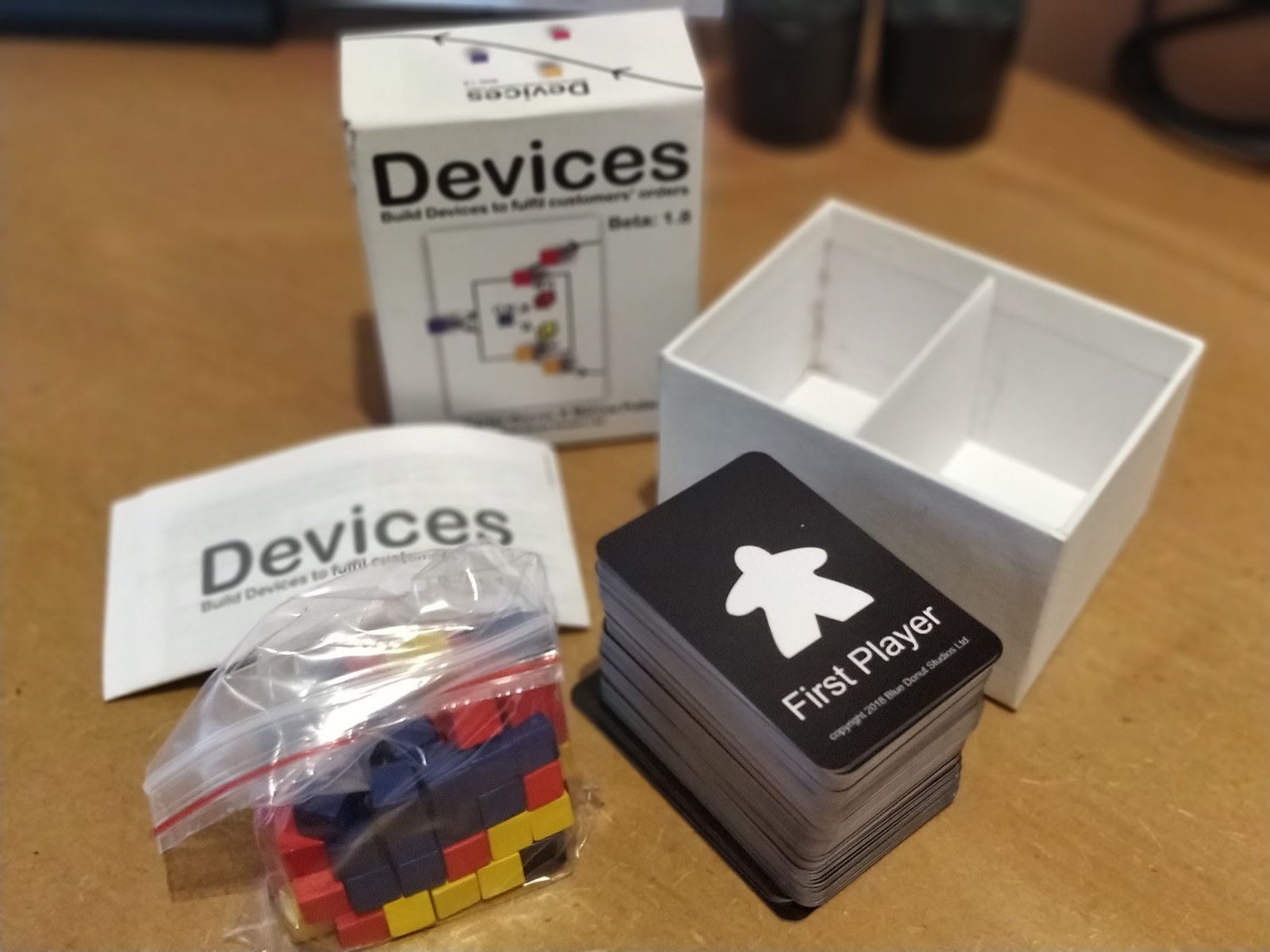
Prototype, product and component planning
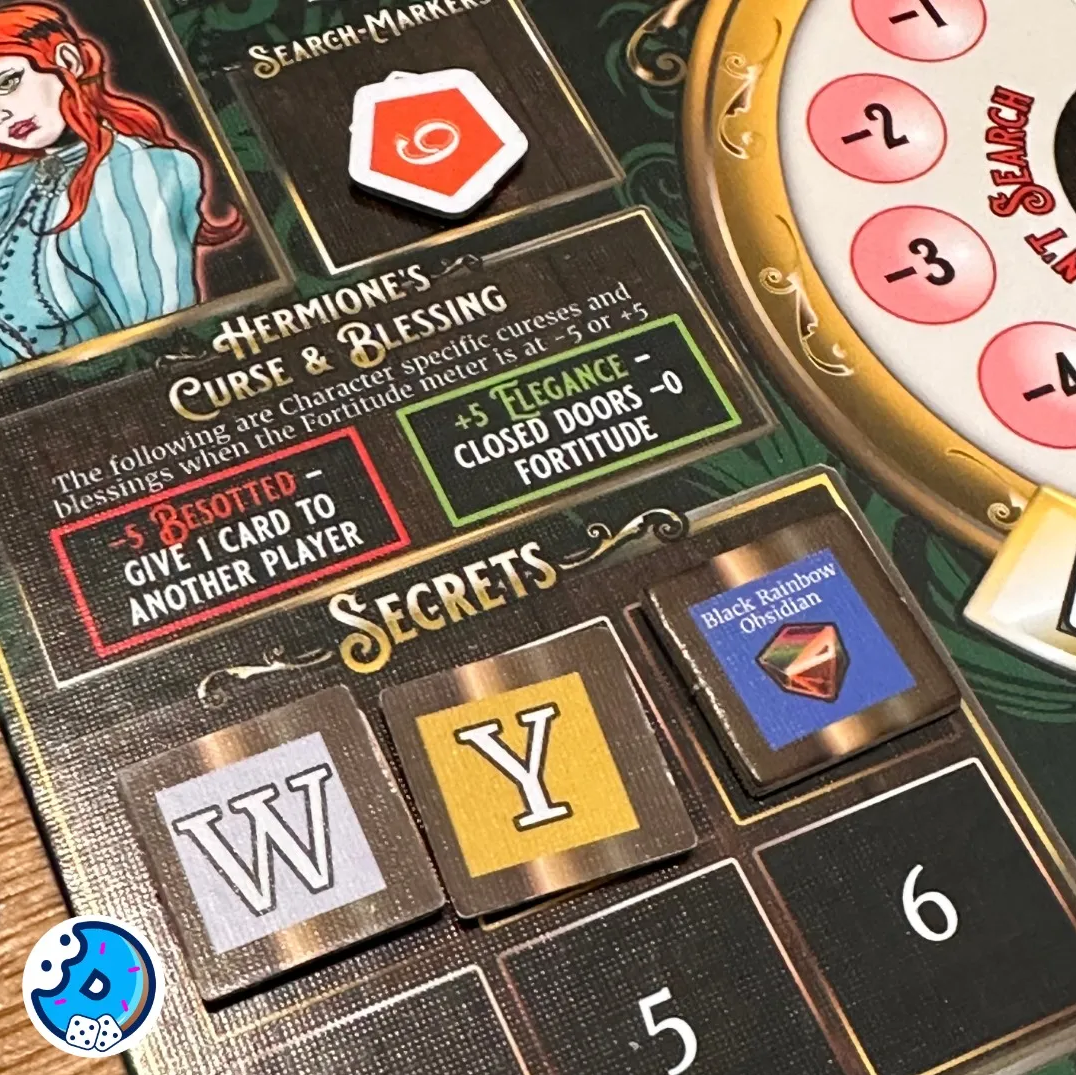
We can advise on what should exist as a fast test prototype, what should be upgraded for demos or funding, and what needs to be resolved before you create print-ready files. That includes cards, boards, boxes, inserts, counters, tokens, player aids and rules materials.
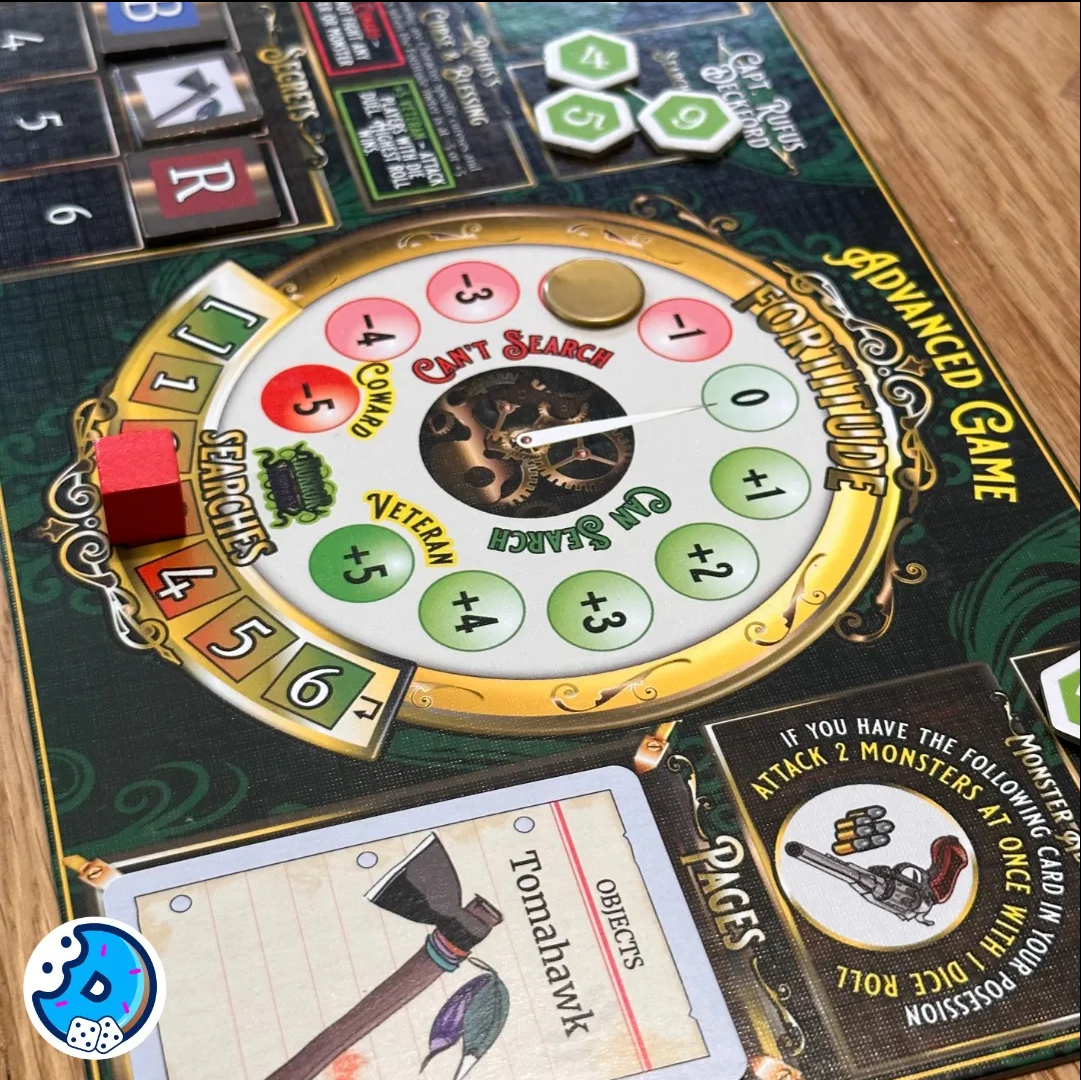
Production-ready game systems
Finished products have to communicate visually as well as mechanically. We help identify where a game needs clearer information design, better component hierarchy, improved print thinking or a more robust production plan so the final game is easier to manufacture and easier to teach.
How we can help at every stage of board game development
1. Mechanics concepts and core game design
We can help you define the heart of the game: what players do, why it is fun, how turns work, how decisions are made and what gives the product its distinct identity. This is where we pressure-test the concept and reduce weak assumptions early.
2. Prototyping and iterative playtesting
We support practical prototyping, from rough paper prototypes through to more polished demo builds. We can help structure test sessions, refine feedback loops and identify what to change next so development does not become random or unfocused.
3. Component design, card layout and print thinking
Board games and card games live or die by how clearly information is communicated. We can advise on card structures, token systems, board readability, icon use, player aids, component counts and the print implications of design choices.
4. Manufacturer liaison and production issues
We understand the questions manufacturers ask and the kinds of problems that can appear in pre-production. We can help review specifications, prepare for print discussions, reduce avoidable errors and think through box sizes, finishes, tolerances, inserts and manufacturing constraints.
5. Distribution, shipping and fulfilment awareness
A game is not complete when the art is done. We can help you think about cartons, shipping realities, fulfilment complexity, distributor expectations and what retailers or stockists need to know. This is especially important for UK and EU creators trying to avoid expensive surprises later.
6. Commercial preparation and GameCrowd onboarding
We can help makers move towards GameCrowd with stronger costing, clearer product thinking, better production readiness and more realistic plans for launch, funding and sales. The goal is not just to make a game, but to build a credible path for getting it into players' hands.
Production pathway
Make the game brilliant, then make it buildable.
A board game can feel complete at the table long before it is ready for manufacturing. We help makers examine the practical production path: component counts, print choices, finish, box size, inserts, card stock, token materials, sample checks, shipping volume and how those choices affect margin.
This is also where GameCrowd becomes useful. A stronger development blueprint helps makers talk to manufacturers, prepare realistic costs and avoid the classic crowdfunding problem of underestimating production and fulfilment.
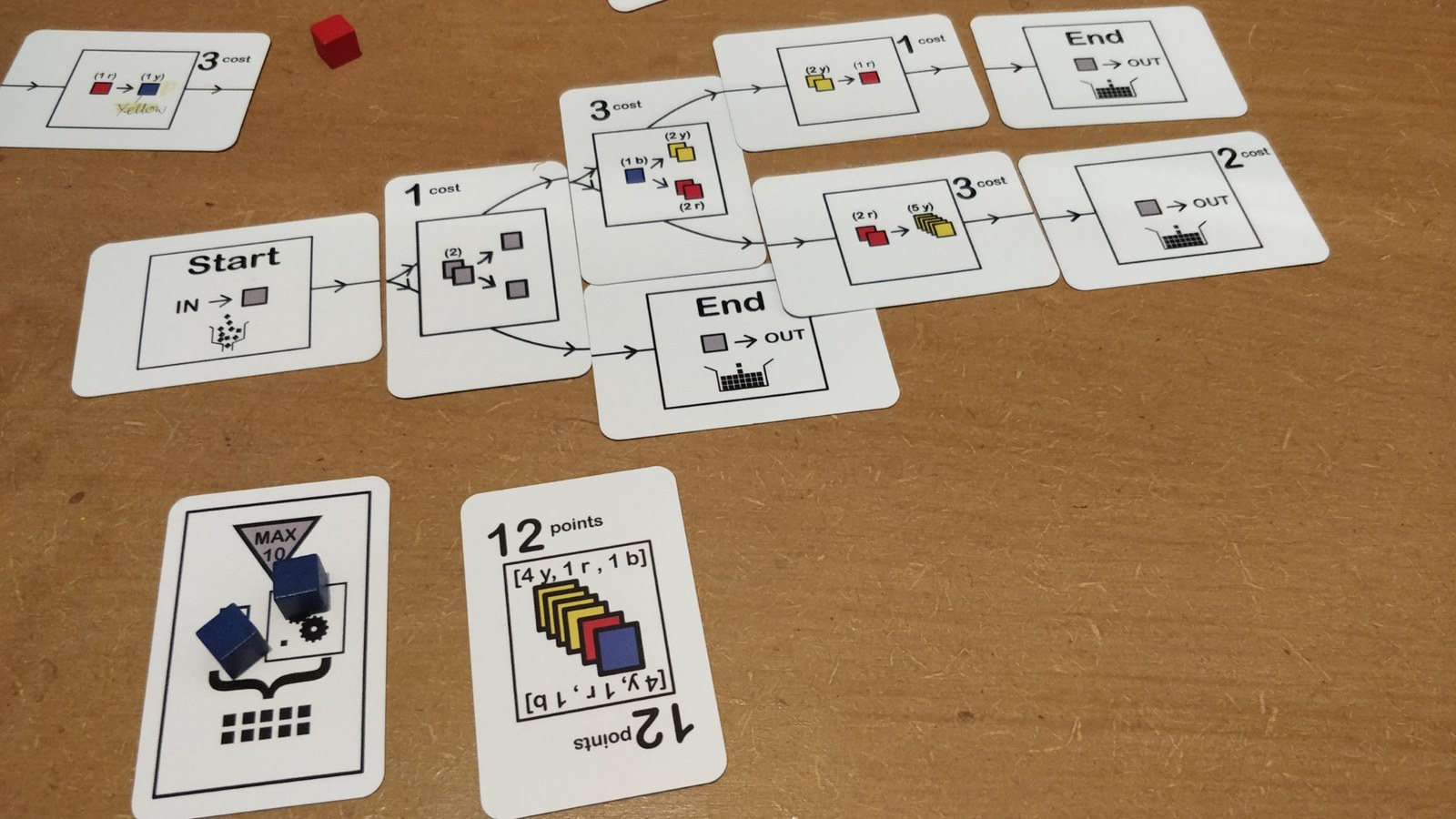
1. Prototype
Test the core loop quickly and identify what is fun, confusing or missing.
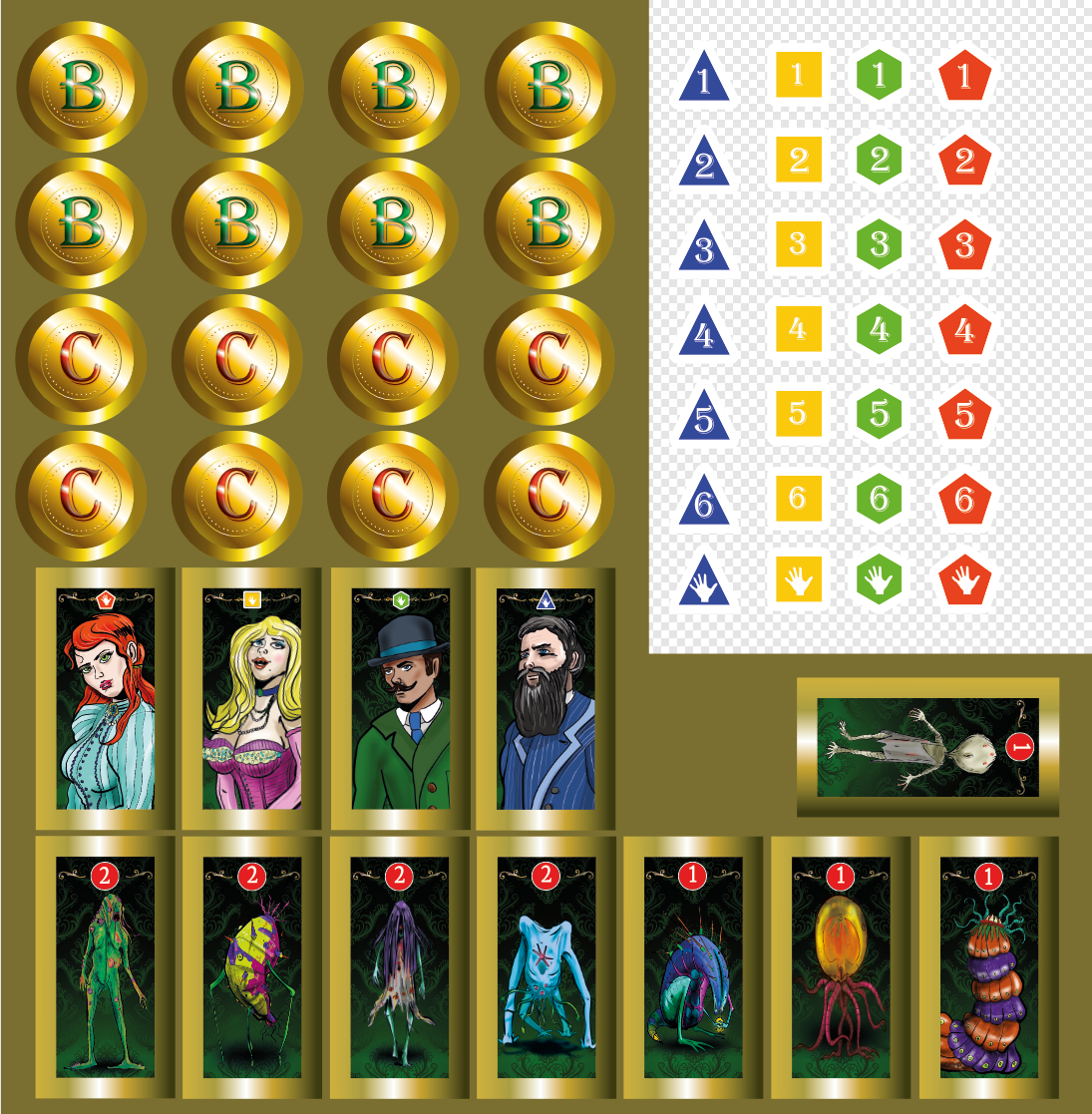
2. Components
Define cards, boards, tokens, inserts and information design clearly.
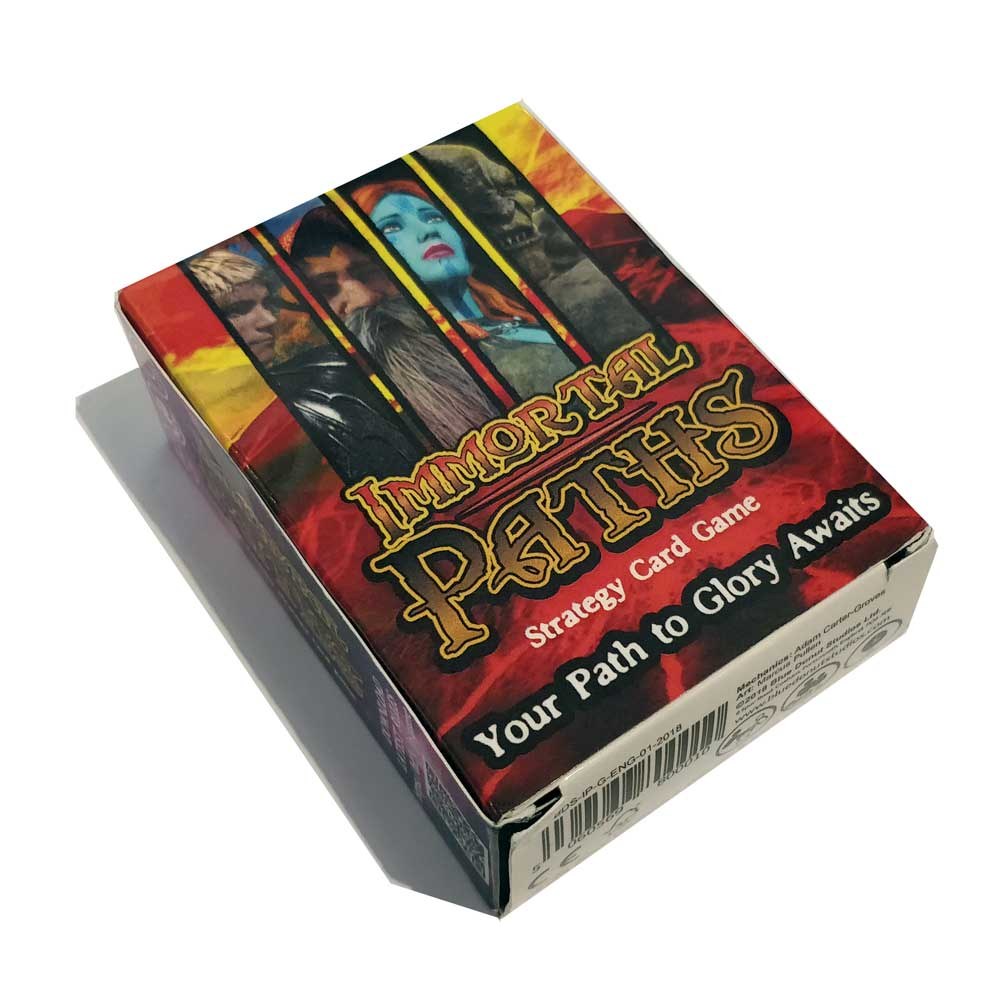
3. Production
Prepare print files, manufacturing specs and practical production decisions.
4. Shelf ready
Get the product ready for retailers, distributors, backers and players.
Design readiness
- Core loop is clear and repeatable.
- Rules can be taught without the designer in the room.
- Players understand choices, risk and reward.
- Components support play rather than confusing it.
Production readiness
- Component list and quantities are defined.
- Print finishes and material assumptions are realistic.
- Box size, inserts and shipping weight are considered.
- Manufacturer questions can be answered confidently.
Commercial readiness
- The audience and use case are easy to explain.
- Retailer, distributor and crowdfunding messages align.
- Costs, margins and fulfilment risks are understood.
- The game is ready to move into GameCrowd support.
What we can review, refine or help you prepare
- Game mechanics, balance and player interaction for board games, card games and hybrid tabletop concepts.
- Rulebook structure, turn flow, onboarding, player aids and the clarity of your teach.
- Cards, counters, boards, tokens, dashboards, boxes, inserts and overall component planning.
- Prototype presentation for internal review, public testing, pitching, crowdfunding or retailer demos.
- Print specifications, manufacturing queries, pre-production issues and quality concerns before you commit.
- Distributor, retailer and shipping considerations so your product can move forward commercially, not just creatively.
From rough prototype to manufacturable product
Many games reach a difficult middle stage. The idea works, but the product is still messy. The prototype may be fun, but the files are not ready. The artwork may be attractive, but the production costs are unclear. This is often where experienced support makes the biggest difference. We help creators move from “interesting concept” to “something a manufacturer, distributor or customer can understand and trust”.
We can also help founders understand when not to rush. Sometimes the best development choice is another round of playtesting. Sometimes it is a component reduction. Sometimes it is a clearer box proposition, a better insert, a tighter rules explanation or a more realistic production brief. Our role is to help you make those calls with confidence.
Why this matters for makers, start-ups and small publishers
Small teams often do not fail because the idea is bad. They struggle because the development path is unclear. Costs become uncertain. Manufacturing questions appear late. Shipping and fulfilment are underestimated. Retail and distribution expectations are not understood. We help reduce that uncertainty with practical guidance that connects design, production and commercial reality.
For UK and EU creators, this can be especially valuable. The tabletop market is increasingly competitive, and getting the fundamentals right matters. Better prototyping, clearer component planning and a more structured route to production can save time, money and credibility.

Built for makers
Use this process to move towards GameCrowd.
GameCrowd is being built to support makers far beyond the first idea. That includes better visibility around manufacturing, costing, product readiness, funding opportunities and sales support. If you work with us on board game development, we can help position your project so it is ready to benefit from that wider ecosystem.