Imersar capability
VR Development with Imersar
Our VR development service is built around real immersive delivery experience, not speculative headset demos. Imersar is the Blue Donut immersive brand for Virtual Reality, desktop and mobile experiences, supported by Unity development, 3D production, content management, API integration and business systems knowledge.
We can help organisations plan VR applications that explain complex information, present data, support training, build virtual museums, create branded environments, develop interactive learning spaces or test early entertainment and game concepts. We understand that VR work has to balance creative ambition with platform performance, user comfort, navigation, content updates, stakeholder approval and long-term support.
Video proof
See the VR work in motion.
Static images help, but the strongest proof for VR and immersive applications is movement: navigation, scale, interaction, atmosphere and how the user experiences the world. These embedded examples help show the difference between an idea and something that has actually been built and demonstrated.
Horror in the Library VR development video
This development video shows the Meta Quest VR horror escape project in motion, including the process of turning a board game world into a spatial, interactive VR experience.
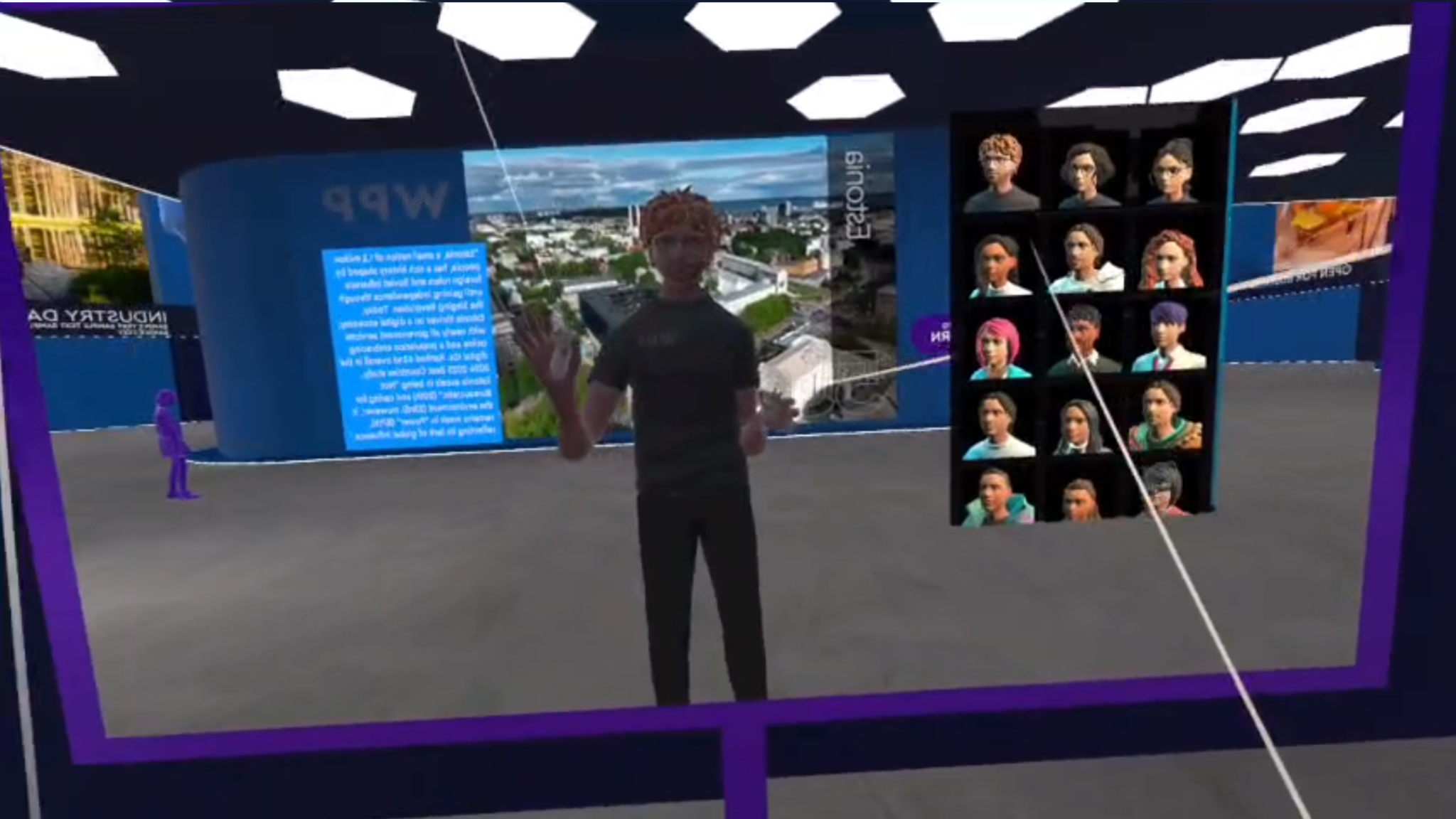
Best Countries VR
Explore the Imersar case study showing dynamic country rooms, video displays, expert interviews, data, interactive boards and a futuristic Hyperloop terminal.
View video-led case study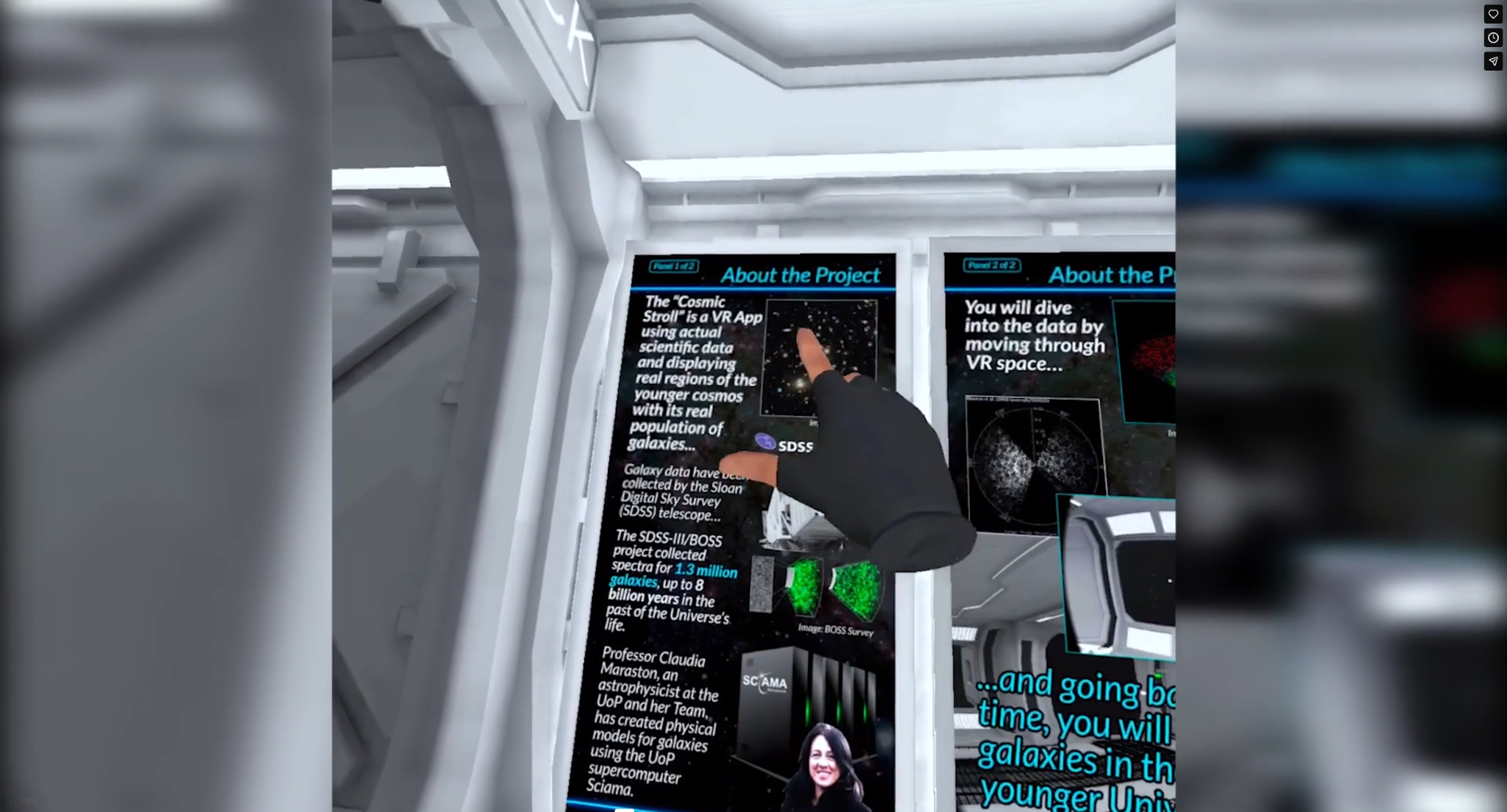
Cosmic Stroll
See how real astrophysics data, information panels and spatial exploration were used to create an educational VR and immersive experience with the University of Portsmouth’s Institute of Cosmology and Gravitation.
View immersive projectVR apps and immersive work we can build on
Imersar has been used to create dynamic virtual rooms, interactive poster showcases, educational experiences, data-led exhibits and brand environments. Best Countries VR uses a room content management approach to populate a virtual space with country-specific text, images, posters and videos. Cosmic Stroll was created as a VR educational tool with the University of Portsmouth’s Institute of Cosmology and Gravitation, using a space-station setting and real scientific data to help audiences understand distant galaxies and the scale of the universe.
We have also developed BAV Metaverse, Store as a Medium, History of Retail in 100 Objects, Road to Agincourt virtual museum concepts and interactive data exhibit approaches. These projects show that our VR experience is not limited to one sector: it covers education, research, retail, brand strategy, cultural interpretation, virtual museums, data visualisation and immersive communication.
See the wider Imersar immersive offer
Explore examples including Cosmic Stroll, BAV Metaverse, Store as a Medium, Best Countries VR, virtual museums, events, custom worlds and data-integrated immersive exhibits.
View Imersar servicesVR development that connects creative experience with technical delivery
We are useful when an organisation wants a serious VR or immersive application but does not yet know how to scope it. We can help define the concept, map content requirements, assess platform options, identify risk, build a proposal, support funding material, plan a prototype and decide whether a project should target VR headsets, desktop, mobile or a mixed-platform release.
Because Blue Donut Studios has worked across healthcare, research, marketing, advertising, global brand support, games, eBusiness and software systems, we understand that immersive work usually has to satisfy more than one audience. The video examples above help show the moving parts that matter in VR: navigation, spatial scale, user flow, interaction, data/media presentation and atmosphere. It may need to impress stakeholders, educate the public, support internal teams, connect with existing data, work at events, or provide a credible demonstration for funders and partners.
Our approach is to make VR practical: define the purpose, understand the user, choose the right platform, build only what is useful, and make sure the experience can be demonstrated, maintained and explained after the first launch.